
6th International Conference on Pediatrics and Neonatology
ThemeEvolving therapeutics in Pediatrics and Neonatology – Heal a child, change the world
- DatesNovember 13, 2026
- LocationBangkok, Thailand
- VenueGrand Mercure Bangkok Atrium
Abstract Submission
Closed
Registration
Closed
Thank you for joining us · stay tuned for the next edition.
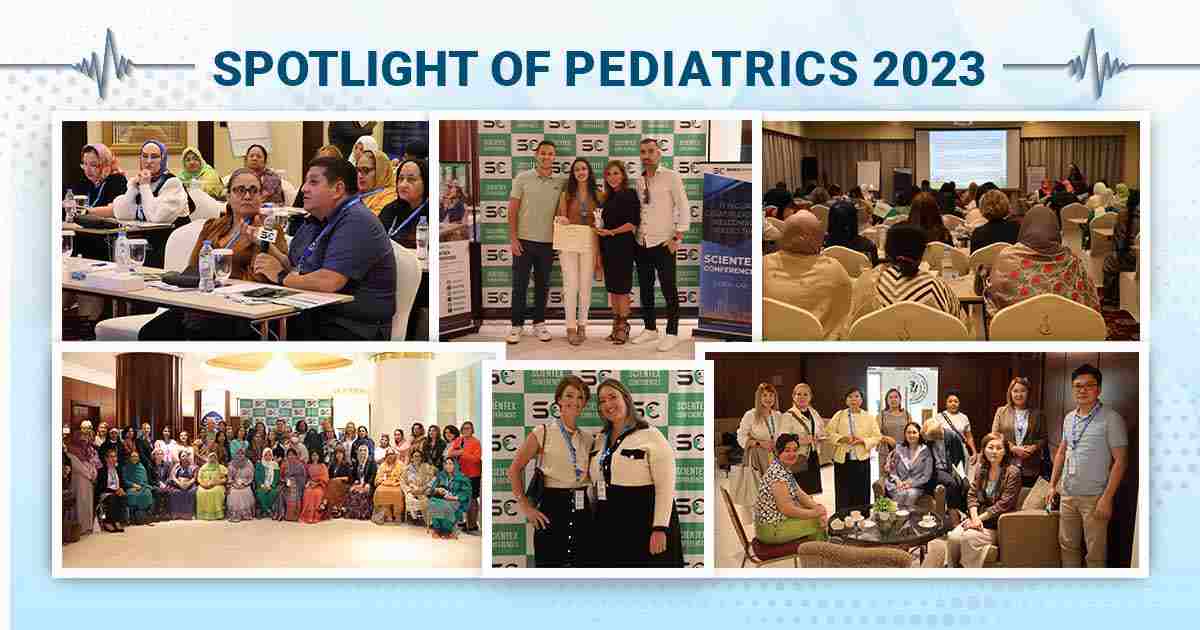
The conference was great. I enjoyed every moment. It was good to meet with other people, I met before in at the previous edition of the conference, in Paris, last year. I would like to thank you very much for giving me the opportunity to share our experience with other professionals from around the world. Scientex Conferences provide the ideal platform for exchange of scientific research experiences and continuing professional development. I have learnt a lot from the presentations. My wish is to continue to be part of the growing Scientex family and participate in its activities as much as I possibly can. The conference in Dubai as very well organized. Kudos to the vibrant team who were there, looking after us. They were very courteous, helpful and professional. Everything went on smoothly. We were in very good hands. I commend their enthusiasm and professionalism
 Javier Jerry Rose
Ministry of Health, Seychelles
Thank you for the opportunity to be with you and participate in the conference. It was amazing and I hope to be able to participate again in such an excellent meeting. It was really informative and an elevating experience for me.
 Mateja Starbek Zorko
University Medical Centre Ljubljana, Slovenia
Congratulations and a big thanks! It was amazing and incredible!! I extend my sincere gratitude to you and the entire team for such a wonderful conference. It was really informative and an enriching experience for me. Thank you very much for the opportunity you have given me to work with you. I appreciate your hard work and commitment for the success of this event. It was a great privilege for me to be a part and made a key note presentation on a relevant topic in a global platform. The stay and all arrangements were comfortable for me. Thanks a lot.
 Jessy Mavarayil John
Kusumagiri Mental Health Center, India
I am also grateful to you for providing us with a forum to present our research work, where, for me, it is the third consecutive time that I participate with you. I can say that the event is an excellent means to publicize and disseminate our research work that provides new knowledge for the benefit of children and neonates around the world.
 Luis Ángel Bolio Molina
Pediatrician in public and private practice, Mexico
This is to appreciate your valuable efforts. Your regular contacts encouraged us to participate and made our preparation easier, the hotel booking and accommodation were very satisfactory. The event was very organized, all staff were very helpful and supportive. Moreover, the participants were highly selected, topics were very informative. I liked the huge variety of the participants, sharing experiences, combinations between obstetrics and pediatrics issues. Overall, it was great experience, I wish to join you again in another event.
 Khadeeja Yahya Othman Idrees
King Fahad Hospital, KSA
Overall the conference has a huge impact on our lives as a specialist in Pediatrics and gynecologist, health professionals. It's my third time I am participating to the conference and I decided after my first conference with the Scientex conferences, that the information which they brought is just amazing from all the fields, up to date and with a great impact regarding the treatments and possibilities from all the places of the world, so I do recommend for everybody just go just participate, come together in a huge team you are going to make great connections and find out a lot of new possibilities.
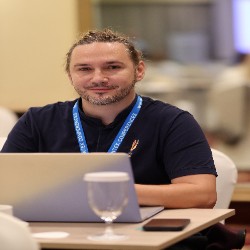 Vultur Horatiu Florin
Giurgiu District Emergency Hospital, Romania
Good day I have been a speaker in the Scientex Conference from department of Pediatrics and Neonatology held in 2023 Dubai. It was a very well organized conference I had a great time listening to all the speakers giving their presentation and it was also very overwhelming for me to present my own. Thank you so much for the opportunity. Thank you, Olivia.
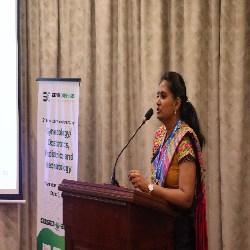 Sukanyaa S
Ganga Women and Child Centre, India
I really would like to thank the scientific committee to invite me to this conference. I really love to come to this conference it was really a pleasure for me. It was full of interesting subjects and I really enjoyed it a very up to date and a very good discussion of all lecture. Thank you very much for the scientific committee.
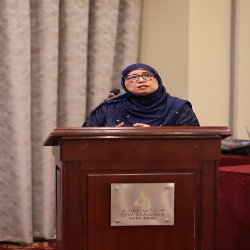 Hanaa Hasan Banjar
King Faisal Specialist Hospital and Research Center, KSA
It was a pleasure to come and talk with medical practitioners, who deal directly with the children and their families, I tried to present the bigger picture on what we need to do together in the future to try and preserve the health of the planet earth where we live, and I received few responses from the audience which I enjoyed it.
 John Eric Wilkinson
University of Taipei, Taiwan
Really it was a nice experience sharing with many experts who came from many countries across the world so sharing our knowledge in this platform was a nice experience. We had come across the innovative ideas; new research works and very informative session. I thank you very much for giving this valuable opportunity to me.
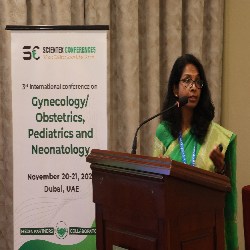 Sunita Koreti
Gajra Raja Medical College Gwalior, India
I would like to express my heartfelt appreciation for the Pediatrics Conference 2025. The scientific depth, the thoughtfully curated sessions, and the overall organization made the event truly outstanding. The way the committee acknowledged my contributions was both humbling and deeply encouraging. It was an enriching experience, and I genuinely value the opportunity to have been part of such a distinguished gathering.
 Aftab Yusuf Raj
Square Hospitals Ltd., Bangladesh
Thank you very much for everything leading up to the build up to the conference and for amazing 2 days of insightful presentations. I am truly honoured to be a part of such an engaging event. Congratulation to you and your team for the flawless execution
 Laresh N Mistry
MGM Superspeciality Hospital, India
Welcome to Pediatrics 2026
We are honored and extremely glad in announcing our next series after the grand success of Pediatrics 2025. The “6th International Conference on Pediatrics and Neonatology” will be held in Bangkok, Thailand on November 13, 2026.
The program will grab on both international and regional speakers' who are experts in neonatal and pediatric knowledge. Topics would be focused on common and updated scientific knowledge with the theme of “Evolving therapeutics in Pediatrics and Neonatology – Heal a child, change the world”. The 6th International Conference on Pediatrics and Neonatology is a culmination of dedication, innovation, and a shared commitment to the advancement of pediatric care worldwide.
Our conference covers a wide range of important topics related to pediatrics and neonatology, such as investigating the most recent developments in the care of newborns and their mothers, comprehending and treating respiratory conditions in newborns, addressing heart-related issues in children and infants, emphasizing optimal nutrition and healthy growth for children, exploring surgical interventions for pediatrics and neonatal conditions, managing critical conditions and emergency situations in children, diagnosing and treating neurological disorders in young patients; talking about hormonal disorders in young patients; addressing gastrointestinal issues in young patients; emphasizing the special healthcare needs of adolescents medicine; addressing issues related to vision in young patients; talking about lung-related issues in young patients; addressing developmental and behavioral aspects in children; managing skin-related issues in pediatric patients; discussing about issues related to the ears, nose, and throat in children; conversing about medication-related aspects in pediatric care; covering a wide range of diseases and disorders affecting children and infants; presenting concrete instances of neurological disorders in young patients.
We cordially welcome all the Pediatricians and Neonatologist across the globe to come join us and make this conference a catalyst for innovation, a haven for learning, and a celebration of the noble pursuit of enhancing the lives of our children.!!
Join us either virtually or in Bangkok, Thailand and get inspired by the industry's top children care professionals and discover what it takes to advance your practice by providing better patient care.
Pediatrics 2026 features some critical attributes to make it worth attending
- Keynote Forum
- Plenary Talks
- Poster Sessions on latest Innovation in all the relevant Areas
- Panel Discussions
- Networking, B2B discussions
- Present your latest research work, at the gathering of lead experts in Pediatrics and Neonatology
- Meet the people in your field - can lead to budding opportunities for collaborative efforts
- Face to Face Interactions with your field experts.
- Meet with international colleagues
- Learn from internationally renowned researchers.
- Understand the current state of research and the challenges to future discovery
Target Audience:
- General Pediatricians, Neonatologists, Adolescent Medicine Specialists, Pediatric Allergists and Immunologists, Pediatric Critical / Emergency Care, Physicians, Pediatric Cardiologist, Pediatric Dentists, Pediatric Endocrinologists, Pediatric Gastroenterologists, Pediatric Geneticists, Pediatric Haemato-Oncologists, Physicians, Pediatric Nephrologists, Pediatric Neurologists, Pediatric Nutritionists, Pediatric Pulmonologists, Primary Care Physicians, Pediatric Nurses.
- Scientists, Pediatric researchers, medical students
- Societies and Associations, Pharma and Manufacturing Companies
Why to attend?
The Pediatrics and Neonatology Conference offers a premier international platform for advancing knowledge, sharing innovative research, and exploring the latest developments in child and newborn healthcare. The conference features expert keynote presentations, scientific sessions, and interactive discussions covering a broad spectrum of pediatric and neonatal specialties. Attendees will have the opportunity to present their research, exchange ideas with global experts, establish valuable collaborations, discover emerging clinical practices, and enhance their professional development in a dynamic scientific environment.
How to Get Involved
Step 1: Explore the Conference
Review the conference theme, scientific sessions, key dates, and presentation opportunities. Identify the track that best aligns with your research interests and area of expertise.
Step 2: Submit Your Abstract
Submit your abstract in accordance with the conference submission guidelines. All abstracts will undergo a rigorous peer-review process by the Scientific Committee, and accepted submissions will be published in the official Conference Program.
Step 3: Register for the Conference
Complete your registration to confirm your participation. Engage with internationally renowned keynote speakers, present your research to a global audience, establish valuable professional collaborations, and receive a Certificate of Participation and a CPD Certificate.
Step 4: Participate Virtually
Participants who are unable to attend the conference in person are welcome to join the virtual edition, ensuring seamless access to the scientific sessions and networking opportunities.
Become part of a distinguished international forum dedicated to advancing innovation, collaboration, and excellence in Pediatrics and Neonatology.
For further information or assistance, please contact us at pediatrics@scientexconferences.com
Scientific Sessions
Explore the scientific tracks that shape this year’s programme. Each session brings together researchers and practitioners to share the latest advances and evidence.
- Perinatal and Neonatal Care The "Innovations in Perinatal and Neonatal Care" session will highlight the latest advancements in perinatal and neonatal care, emphasizing key areas like maternal-fetal medicine, neonatal resuscitation , and the incorporation of advanced technologies in neonatal intensive care units (NICUs). Session Overview: This session covers recent innovations in perinatal and neonatal care, focusing on maternal-fetal medicine, neonatal resuscitation, and NICU technologies. Key topics include antenatal corticosteroids, perinatal asphyxia management, telemedicine, and thermoregulation strategies. The latest advancements in neonatal respiratory support, including gentle ventilation and HFOV, aim to reduce bronchopulmonary dysplasia. Maternal and neonatal nutrition research emphasizes fortified human milk for preterm infants. Infection control strategies like maternal vaccinations and neonatal probiotics are highlighted. Family-centered care and cutting-edge technologies like AI and machine learning are also discussed, enhancing diagnosis, monitoring, and individualized care. Explore session
- Neonatal Respiratory Diseases " Neonatal Respiratory Diseases " The most recent developments in the identification, handling, and treatment of respiratory disorders in infants will be covered in this session. Emerging research on the long-term effects of neonatal respiratory therapies, strategies for managing common neonatal respiratory disorders, and developments in respiratory support devices will be among the key topics covered. In addition to learning about the most recent methods for treating ailments such neonatal pneumonia, bronchopulmonary dysplasia (BPD), and respiratory distress syndrome (RDS), participants will also receive tips on how to improve respiratory treatment in the neonatal intensive care unit (NICU). Session Overview: This session on Neonatal Respiratory Diseases covers recent advancements in diagnosis, treatment, and management. Key topics include innovations in respiratory support technologies like HFOV and nCPAP, and strategies for managing conditions such as respiratory distress syndrome (RDS), Bronchopulmonary Dysplasia (BPD), and Neonatal Pneumonia . Discussions will focus on surfactant therapy, lung-protective ventilation, and antimicrobial treatments. The session also highlights long-term outcomes, follow-up care, and family-centered approaches, emphasizing the role of involving families in the care process and addressing their emotional needs. Strategies for optimizing respiratory care in the NICU will also be explored. Explore session
- Pediatric and Neonatal Cardiology Pediatric and Neonatal Cardiology will provide an in-depth look at the latest innovations and best practices in managing cardiovascular conditions in neonates and children. Focus areas will include advancements in diagnostic techniques, interventional cardiology, and the management of congenital and acquired heart conditions. Participants will explore cutting-edge topics such as the use of advanced imaging technologies, minimally invasive procedures, and the latest approaches to managing heart failure and congenital heart defects. Session Overview: This session on pediatric and neonatal cardiology highlights breakthroughs in diagnosing and managing heart conditions in infants and children. Key topics include fetal echocardiography for early detection, minimally invasive cardiac surgery, and innovations in cardiac imaging. Advances in interventional cardiology, heart failure management, and strategies for improving long-term outcomes will be discussed. Emerging technologies such as 3D printing and AI-driven tools enhance diagnostic accuracy and surgical planning. The session also covers fetal cardiology, minimally invasive techniques, and advancements in imaging and monitoring. Family-centered care approaches emphasize involving families in decision-making and providing emotional support. Explore session
- Nutrition and Growth For the growth and development of babies and children, adequate nutrition is fundamental. A balanced and nutritious diet improves the immune system of your infant, helps him or her maintain a healthy weight, and helps to grow his or her brain and bone. Proper nutrition is fundamental to the development and growth of infants. When developing infants are fed the appropriate types and amounts of foods, their health is promoted. A good and nutritious diet strengthens the child's immune system, helps him or her maintain a healthy weight, and helps the brain and bone to develop. Explore session
- Pediatric and Neonatal Oncology Adolescents' tumor are not always treated like adult tumors. Pediatric oncology is a medical field concentrated on the care of children with cancer. There are many types of cancer treatment. The types of treatment that a child with cancer receives will depend on the type of cancer and how advanced it is. Common treatments include: surgery, chemotherapy, radiation therapy, immunotherapy, and stem cell transplant. Neonatal oncology is a pediatric oncology sub-specialty that deals with cancer prevention, diagnosis, and care in infants. Newborn cancer is unusual and includes a heterogeneous population with significant histological variation of neoplasms. In fetuses and neonates, almost all forms of pediatric cancer can occur. Explore session
- Pediatric Dentistry Pediatric dentistry is a branch of dentistry that deals with children's dental health monitoring and treatment. Dental procedures are commonly viewed, especially among children, as fear-provoking and painful experiences that most would like to avoid. Many children nowadays are exposed to several tooth diseases and tooth decay is quite common in them. Milk teeth go away over time, but permanent teeth that require outstanding care are the essential ones. A child has to go through painful procedures and therapies if oral hygiene is not taken care of. Pediatric dentists are special oral care providers for newborns and children through adolescence, including those with exceptional health needs. Explore session
- Pediatric and Neonatal Infectious Diseases The vast majority of neonates enter the world healthy. But sometimes, infants develop conditions that require medical tests and treatment. New borns are particularly susceptible to certain diseases, much more so than older children and adults. Their new immune systems aren't adequately developed to fight the bacteria, viruses, and parasites that cause these infections. These extremely skillful experts also focus on infection prevention for high-risk patients and managing infections if they occur. In recent times the Covid-19 that dominated our society for a while caused by the coronavirus affecting children of all ages who can get sick. But usually, most children who are infected may not get as ill as adults and some do not have any symptoms at all. Pediatric infectious diseases experts treat a wide sort of contagious and immunologic diseases such as those caused by bacteria, viruses, fungi, and parasites. Explore session
- Pediatric and Neonatal Surgery As Children are not mini adults. They have anatomically, physiologically and psychosocially differences. Early and critically ill newborns may need surgery soon after delivery to discourse defects or abnormalities. Operating on these critical newborns requires a highly specialized level of care. Neonatal surgical problems are birth defects and anomalies. Neonatal surgery is performed on newborns with defects that cannot be treated while in the womb. Surgery may be done straightaway after labor or in the days or weeks that follow. Pediatric surgery encompasses birth defects, abnormalities in children from accidents and trauma cases and more. Surgery in the pediatric population is always done with several factors taken into severe consideration. Surgeries in the pediatric population may be indiscriminately divided into major, minor, elective and urgent surgeries. Surgeries of the head and neck, as well as the chest and some abdominal operations, fall under the indication of major surgery. Explore session
- Emergency Medicine and Critical Care In concerned for critically ill children, treatment and management often begins in the pediatric emergency department. A smooth transition in care is needed to ensure appropriate care to the sickest of children. It requires the supervision of critically ill children in the pediatric emergency department apart from the initial stabilization for conditions such as pediatric acute respiratory distress syndrome, acute respiratory failure, status epilepticus, traumatic brain injury, congenital heart disease, and metabolic emergencies. Often, these conditions are serious and can be life-threatening. It includes treating acute medical problems such as high or persistent fever, severe infections, difficulty breathing, severe pain, vomiting, convulsions, and serious allergic reactions. Serious accidents, such as fractures, head injuries, burns, and disabilities arising from collisions, falls, or other incidents involving motor vehicles. Overdoses and poisonings. Significant chronic disease conditions such as asthma, diabetes, sickle cell disease, and congenital or other debilitating diseases (i.e., existing at birth). Explore session
- Pediatric and Neonatal Neurology Pediatric and Neonatal Neurology includes the treatment of neurological diseases that occur in newborn, infants, children and adolescents. It involves the treatment of children with a wide variety of disorders, from seizures and acquired brain injury to prenatally diagnosed brain malformations, Intellectual disability, Congenital malformations, which are problems in how the brain forms or develops, Stroke and traumatic brain injury (TBI), Genetic conditions that affects the nervous system , Autoimmune problems that affect the brain and spinal cord (such as multiple sclerosis), Infections or inflammation of the brain (such as meningitis or encephalitis), Brain tumors. Child neurologists gives treatment for children from birth into young adulthood. Explore session
- Pediatric and Neonatal Endocrinology Pediatric endocrinology is a medical subspecialty dealing with disorders of the endocrine glands , such as variations of physical growth and sexual development in childhood, diabetes including type 1 and type 2, adrenal gland disorders, adrenoleukodystrophy, bone and mineral disorders, childhood obesity, growth disorders, lipid disorders, multiple endocrine neoplasia, type 1 (MEN 1) and type 2 (MEN 2), pituitary disorders, puberty disorders, thyroid disorders, including thyroid cancer. Endocrine disease in the neonate is uncommon, but may be life threatening or have profound long-term consequences if not quickly recognized and treated. These disorders can have severe implications on the development of the CNS if not promptly treated and prevented. Explore session
- Pediatric and Neonatal Gastroenterology Digestive, liver, and nutritional problems in children often are quite different from those seen in adults. Pediatric gastroenterologists are especially trained to carry out diagnostic tests of a child’s digestive system. They have wide-ranging expertise in managing nutritional complications in children, including placement and management of feeding tubes and intravenous nutrition and diagnosing and treating infants, children, and teens with liver disease which includes Bleeding from the gastrointestinal tract, Complicated or severe gastro esophageal reflux disease (reflux or GERD), Liver disease, Short bowel syndrome, Acute or chronic abdominal pain, Chronic constipation, Vomiting, Nutritional problems (including malnutrition , obesity , and failure to thrive), Feeding disorders, Food allergies or intolerances, Inflammatory bowel disease, Severe or chronic diarrhea, Pancreatic insufficiency (including cystic fibrosis) and pancreatitis. Explore session
- Adolescent Medicine Adolescent medicine is the care of people in and around their teen years, up to 20 years of age. Adolescent health specializes in caring for young people 10 to 21 years of age seeking help with eating disorders, biofeedback for chronic headaches and abdominal pain, pediatric and adolescent gynecology , gender diverse care, and reproductive and sexual health. Medicine is often classified most simply as pediatric and adult, with the pediatric category covering from early stages through both childhood and adolescence. Explore session
- Pediatric and Neonatal Ophthalmology Vision is considered to be the most valuable of the basic senses among everyone. Vision loss may have tremendous consequences for the quality of life of a child. Newborn babies can be affected by a large number of congenital and acquired eye disorders. Timely referral, diagnosis, and management are critical to allow optimal visual development. The critical period of visual development is in the first 6 months after birth in neonates. Pediatric ophthalmologists can diagnose, treat, and manage all children’s eye problem . They perform surgery, microsurgery, and laser surgery (for problems like weak eye muscles, crossed eyes, wandering eyes, blocked tear ducts, retinal problems, and infections), Diagnose visual processing disorders, Diagnose problems of the eye caused by diseases of the body such as diabetes or juvenile rheumatoid arthritis (JRA) and other medical and neurological diseases, Care for eye injuries. Explore session
- Pediatric Otolaryngology Pediatric Otolaryngology is a subspecialty of pediatrics and ENT medicine that focuses on the diagnosis and treatment of ear, nose, throat, head, and neck disorders in infants, children, and adolescents. It addresses conditions such as hearing loss, recurrent ear infections, airway disorders, tonsil and adenoid diseases, speech and swallowing problems, and congenital anomalies, with care tailored to the unique needs of growing children. Explore session
- Pediatric Palliative care For children with cancer and other life-limiting illnesses, palliative care is a central component of care in resource-limited environments. Palliative care focuses on providing relief from the symptoms and stress of the illness. Severe medical issues, including genetic abnormalities, cancer , prematurity, developmental disorders, heart and lung conditions and others, are treated through pediatric palliative care. Symptoms of these conditions, such as pain, shortness of breath, exhaustion, constipation, nausea, lack of appetite and sleeping problems, anxiety and depression, are relieved. Palliative care goals for curing and healing and become instrumental for improving the quality of life. Explore session
- Pediatric and Neonatal Diseases and Disorders Every newborn infant deserves a healthy start in life. The neonatal period, which lasts for the first 28 days, is crucial. Fundamental health and eating behaviors are established during this time. Explore session
- Pediatric and Neonatal Pulmonology Pediatric and Neonatal pulmonologists specialize in treating children with breathing problems . Common conditions include asthma, pneumonia, wheezing, bronchitis. It provides diagnosis and comprehensive care for the full range of lung and respiratory disorders including chronic lung disease, cystic fibrosis, chronic cough, respiratory insufficiency, and sleep disorders. Some of the treatment and diagnosis includes CT Scan, Ultrasound, Pulmonary function test, Bronchoscopy, Thoracentesis, Chest fluoroscopy, and Pleural biopsy. Explore session
- Developmental and Behavioral Pediatrics Developmental and Behavioral Pediatrics comprises the cure of infants and toddlers from birth through 3 years old who are at risk for developmental delays or behavioral problems due to prematurity or other medical problems that caused in hospitalization in a neonatal intensive care unit. The professionals can help diagnose complex issues, including ADHD and others like delayed development in speech, language or motor skills or other social skills issues, mental health issues like anxiety, Autism , performance issues in school, learning differences like dyslexia, developmental and behavior evaluation of children with genetic disorders, school problems. Care coordinated by the Developmental Behavioral Pediatrics clinic usually includes treatment planning, behavioral medication management and endorsements for further assessment or additional therapeutic strategies. Explore session
- Clinical Case Study in Pediatrics and Neonatology Clinical Case Studies in Pediatrics provides a compilation of often recognized sorts of pediatric situations that need hospital admission by simulating genuine morning report diagnosis sessions experienced by hospital clinicians . Each case study begins with a description of the reason for admission to the hospital, followed by a differential , discussion of the differential diagnosis, and finally an in-depth explanation of the actual diagnosis. Explore session
Committee Members
Our scientific and review committees guide the programme, evaluate every submission and ensure that each session meets high academic and scientific standards.
-
 Lazlo Kiraly
National University Heart Centre
Singapore
View profile
-
 Hadar Yardeni
Ministry of Health office
Israel
View profile
-
 Howard Weber
Penn State Hershey Childrens Hospital
USA
View profile
-
 Peter Krcho
Pavol Jozef Šafárik University
Slovakia
View profile
-
 Marina F Gubkina
N.I. Pirogov Russian National Research Medical University
Russian Federation
View profile
Conference Welcome Video
Take a quick look at what to expect from the programme, the people and the experience that make this conference a valuable meeting point for the community.
Past Conference Report – Pediatrics 2025
Look back at previous editions through their reports, photo galleries, attendees and testimonials, and see how the programme has grown year after year.
5th International Conference on Pediatrics and Neonatology
November 21, 2025 | Millennium Hotel, Paris, France
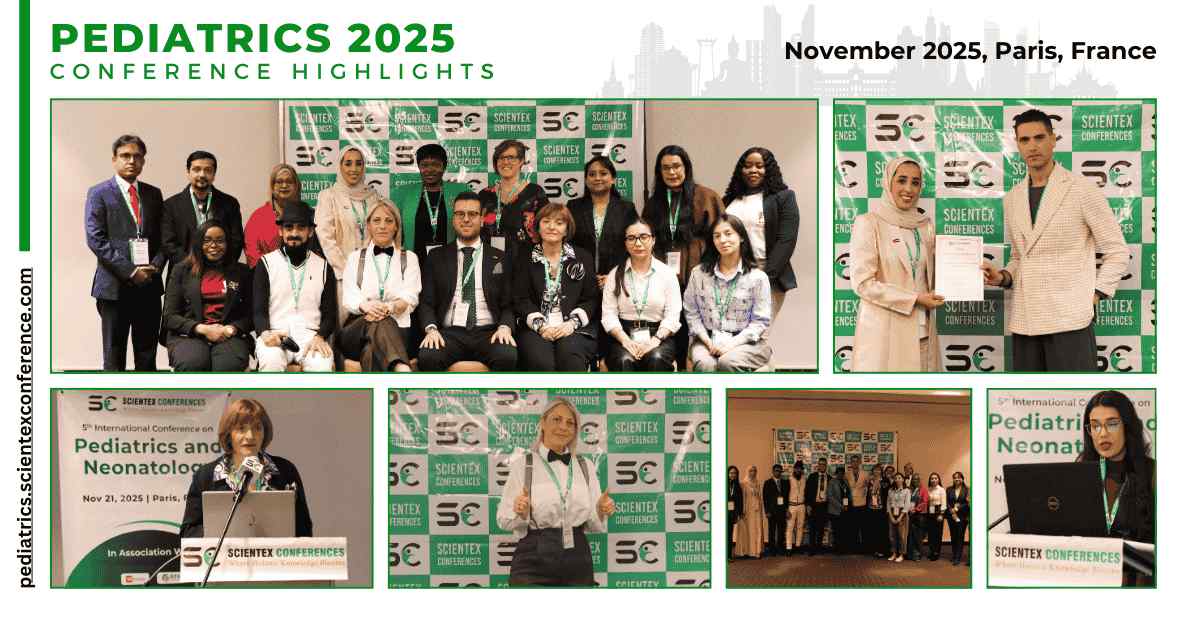
The 5th International Conference on Pediatrics and Neonatology was successfully concluded on November 21, 2025, at the Millennium Hotel, Paris, France. The event received an overwhelming response and brought together leading pediatricians, neonatologists, healthcare professionals, researchers, and academicians from across the globe.
The conference commenced with a warm Opening Ceremony, followed by highly engaging Keynote Sessions that set the tone for an enriching scientific experience. The program continued with a series of Oral and Poster presentations delivered by distinguished guests and keynote forum members.
Some of the most impactful contributions were delivered by:
- Nani Kavlashvili, Tbilisi State Medical University, Georgia
- Denny Lyalla, Founder/CEO, Déin Neonatal Foundation, UK
- Aftab Yusuf Raj, Square Hospitals Ltd., Bangladesh
- Iolanda Chinellato, San Pio Hospital, Italy and many other renowned speakers.
Their insightful presentations greatly enriched the scientific caliber of the event.
Acknowledgment of Session Chairs: We extend our heartfelt appreciation to our session chairs
- Dr. Nani Kavlashvili
- Dr. Aftab Yusuf Raj
Their constant support, guidance, and exceptional session moderation played a vital role in the smooth conduct of the conference.
Scientific Sessions Covered: The conference covered a broad spectrum of topics including, but not limited to:
- Pediatric and Neonatal Diseases and Disorders
- Perinatal and Neonatal Care
- Emergency Medicine and Critical Care
- Pediatric and Neonatal Cardiology
- and many more emerging areas in Pediatrics and Neonatology
These sessions served as an excellent platform for knowledge exchange, discussion of latest advancements, and fostering collaborative research opportunities.
Conclusion: The 5th International Conference on Pediatrics and Neonatology served as an outstanding platform for knowledge exchange, bringing together experts and professionals dedicated to advancing pediatric and neonatal healthcare. The insights, research findings, and clinical expertise shared throughout the event will undoubtedly contribute to the ongoing development of the field and the enhancement of care for young patients worldwide. The success of the conference reaffirmed its significance as a cornerstone for global collaboration, networking, and professional growth within the pediatric and neonatal community.
Looking Ahead
With great enthusiasm and high expectations, we now look forward to the 6th edition of the Pediatrics Conference Series the 6th International Conference on Pediatrics and Neonatology, scheduled to be held in one of the world’s most captivating destinations:
📅 November 13, 2026
We eagerly anticipate your continued support and participation in making the next conference an even greater success.
Quick Links
Key Topics The conference covered a broad spectrum of topics, including:
- Neonatal Care
- Emergency Medicine and Critical Care
- Pediatric and Neonatal Infectious Diseases
- Pediatric and Neonatal Surgery
- Developmental and Behavioral Pediatrics
- Pediatric and Neonatal Diseases and Disorders and many more.
Quick Links
Keynote Talks:
Eminent speakers embellished the event with insightful keynote talks:
Quick Links
Quick Links
Quick Links
Trusted by Healthcare Professionals
Hear from delegates and speakers who joined our previous editions and share what made the experience worthwhile for their research and professional practice.
Testimonial from Ana Moreira, Coimbra Health School, Portugal for Pediatrics 2021
Testimonial from Neha Srivastava, Pediatric Consultant & Neonatalogist, India for Pediatrics 2021
Testimonial from Hiba M Khraisat, Queen Rania Children Hospital, Jordan for Pediatrics 2021
Testimonial from Jessy Mavarayil John, Kusumagiri Mental Health Center, India for Pediatrics 2023
Testimonial from Hanaa Hasan Banjar, King Faisal Specialist Hospital and Research Center, KSA for Pediatrics 2023
Testimonial from John Eric Wilkinson, University of Taipei, Taiwan for Pediatrics 2023
Venue & Hospitality
Everything you need to plan your visit, from the conference venue and its location to accommodation options for a comfortable stay during the event.
Bangkok, Thailand
Grand Mercure Bangkok Atrium
Discover Grand Mercure Bangkok Atrium, a 5-star hotel in Bangkok near the airport with easy transport links and exceptional dining experiences.
Media Partners and Collaborators
We work with publishers, associations and media organisations that help share research and connect our community with a wider international audience.






Frequently Asked Questions
Find quick answers about registration, abstract submission, participation and certificates. If you need more help, our team is always happy to assist.
Our conference aims to bring together researchers, clinicians, healthcare professionals, academicians, and industry experts from around the world to exchange knowledge, present recent research findings, and discuss emerging trends in medical and healthcare sciences.
The conference is open to researchers, doctors, professors, scientists, healthcare practitioners, students, industry representatives, policy makers, and anyone interested in advancements in medical and healthcare research.
Both physical and virtual conference formats are available and are scheduled on separate dates to provide greater flexibility for participants. Attendees who may be unable to participate in one format due to scheduling or travel constraints can choose the alternate format and still benefit from the scientific sessions, networking opportunities, and knowledge-sharing experience.
Attendees can gain access to keynote sessions, networking opportunities, discussions, research presentations, collaborations, abstract publication opportunities, and certificates of participation.
Yes, all registered speakers and delegates will receive an official participation or presentation certificate after the conference.
Yes, the conference provides multiple opportunities for networking through scientific sessions, discussions, coffee breaks, and social interactions.
Interested participants may submit their abstracts or contact the conference committee through email regarding speaking opportunities. Selected submissions may be invited for oral or keynote presentations.
Absolutely. The conference encourages participation from students, postdoctoral fellows, and early-career researchers by providing opportunities to present their work and connect with experts in the field.
Yes, representatives from pharmaceutical companies, healthcare organizations, medical device industries, and related sectors are welcome to participate and collaborate with academic researchers.
Selected conference presentation abstracts, and session highlights may be shared with registered participants after the conference, subject to speaker permissions.
6th International Conference on Pediatrics and Neonatology
Share your research with an international audience or reserve your place today.