
Track: Pediatric and Neonatal Pulmonology
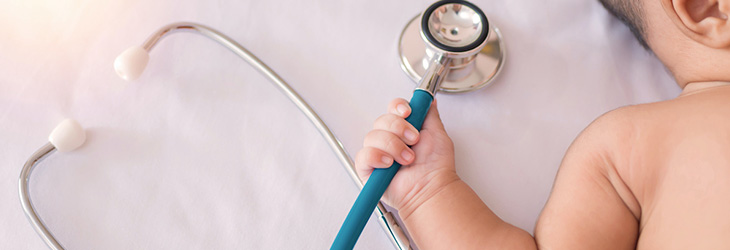
Pediatric and Neonatal Pulmonology is a specialized field focused on the prevention, diagnosis, and management of respiratory disorders affecting infants, children, and newborns. It addresses both acute and chronic lung conditions, aiming to improve respiratory health, quality of life, and long-term outcomes from the neonatal period through adolescence.
Key Subtopics:
Neonatal Respiratory Disorders: Respiratory distress syndrome, bronchopulmonary dysplasia, apnea of prematurity, and neonatal lung development.
Pediatric Airway Diseases: Asthma, wheezing disorders, bronchiolitis, and chronic cough in children.
Infectious Pulmonary Diseases: Pneumonia, tuberculosis, viral respiratory infections, and post-infectious complications.
Chronic Lung Diseases: Cystic fibrosis, interstitial lung diseases, and long-term respiratory sequelae in children.
Sleep-Related Breathing Disorders: Pediatric obstructive sleep apnea and other sleep-associated respiratory conditions.
Pulmonary Function and Diagnostics: Advances in pulmonary function testing, imaging, and minimally invasive diagnostic techniques in pediatrics.
Respiratory Support and Ventilation: Non-invasive and invasive ventilation strategies in neonatal and pediatric care.
This session highlights recent advancements and clinical challenges in pediatric and neonatal respiratory care. We invite clinicians, researchers, and healthcare professionals to submit abstracts on Pediatric and Neonatal Pulmonology and share their insights to advance respiratory health in children and neonates.
Scientific Highlights
- Perinatal and Neonatal Care
- Neonatal Respiratory Diseases
- Pediatric and Neonatal Cardiology
- Nutrition and Growth
- Pediatric and Neonatal Oncology
- Pediatric Dentistry
- Pediatric and Neonatal Infectious Diseases
- Pediatric and Neonatal Surgery
- Emergency Medicine and Critical Care
- Pediatric and Neonatal Neurology
- Pediatric and Neonatal Endocrinology
- Pediatric and Neonatal Gastroenterology
- Adolescent Medicine
- Pediatric and Neonatal Ophthalmology
- Pediatric Otolaryngology
- Pediatric Palliative care
- Pediatric and Neonatal Diseases and Disorders
- Pediatric and Neonatal Pulmonology
- Developmental and Behavioral Pediatrics
- Clinical Case Study in Pediatrics and Neonatology

Organization Location
1309 Coffeen Avenue, STE 1200, Sheridan, Wyoming 82801, USA
General Enquiry
contact@scientexconferences.com
Finance Enquiry
finance@scientexconferences.com
Call us at
USA : +1(341) 208-2748